

Climate change and new health risks: anticipating client needs
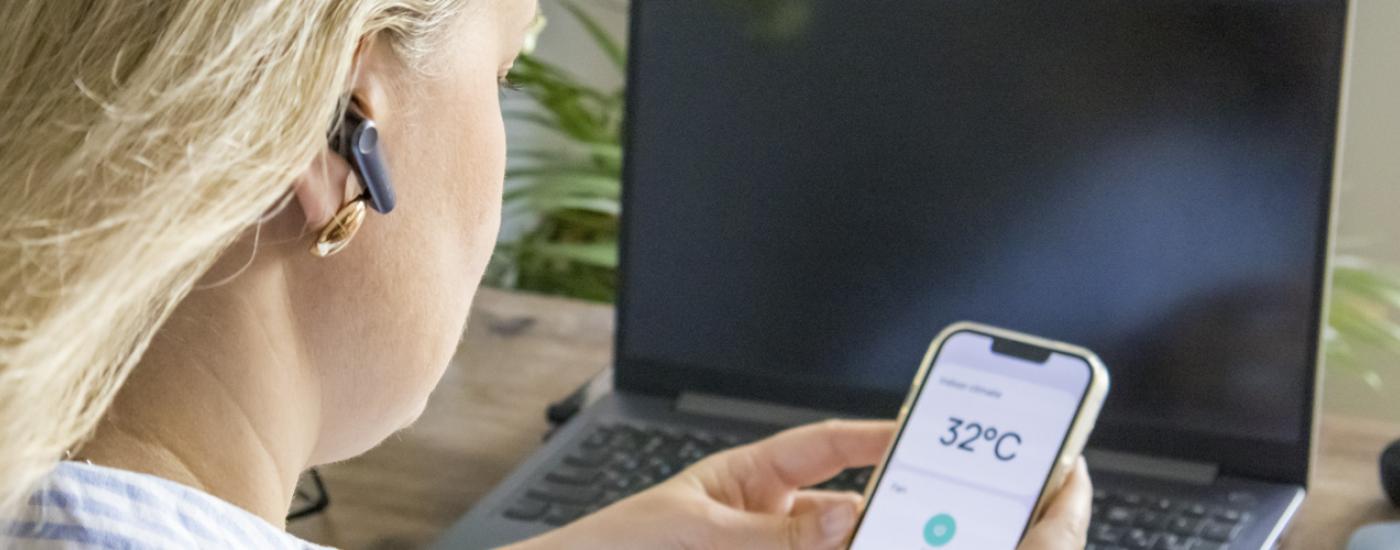
Climate change is no longer a future scenario: it is a health variable that is already altering clients’ risk profiles. Longer heat waves, air pollution, the spread of vector-borne diseases, and a rise in mental health disorders are changing which coverages families and companies need. For advisors, this means the sales conversation changes at its root: the task shifts from selling a reactive policy to building a value proposition based on anticipation, prevention, and ongoing support.
This article explains which health risks are emerging, how they change the advisor’s role, and which practical tools can help anticipate clients’ needs before they identify them themselves.
ÍNDICE DEL ARTÍCULO
What is really changing: the new health risks already affecting portfolios
It makes sense to start with the data, because it is what underpins the conversation with the client. The World Health Organization warns in its fact sheet on climate change and health that between 2030 and 2050, climate change is expected to cause about 250,000 additional deaths per year from malnutrition, malaria, diarrhea, and heat stress alone, and that 3.6 billion people already live in areas highly susceptible to climate change. The same source notes that heat-related deaths among people over 65 have risen by 70% in two decades.
The annual Lancet Countdown report on health and climate change confirms the trend with specific indicators: the global average transmission potential of dengue has risen by up to 49% since the 1950s, and 2024 saw a record-high number of deaths attributed to particulate pollution from wildfire smoke (an estimated 154,000). At least 12 of the 20 indicators the report tracks for health risks reached new records.
In day-to-day practice, these are the fronts already appearing in client conversations:
- Heat and cardiovascular risk: heat waves worsen existing heart and respiratory conditions, especially in older adults and people with chronic illness.
- Vector-borne diseases: dengue, chikungunya, and West Nile virus are spreading to new areas, including places once considered safe.
- Air quality and respiratory disease: pollution and wildfire smoke can worsen asthma and COPD, and increase hospitalizations.
- Mental health and climate anxiety: the WHO recognizes immediate effects such as anxiety and post-traumatic stress after extreme events, as well as long-term disorders.
- Food security and nutrition: disruptions to food production affect diet quality and, with it, metabolic risk.
How the role changes: from reactive advisor to trusted advisor who anticipates
Here is the important shift. For years, the sales model worked like this: the client identified a need, and the advisor responded with a product. The new scenario reverses that sequence: the client does not yet know that their risk profile has changed, and the advisor can. That knowledge asymmetry is precisely the advisor’s competitive advantage.
The contrast is clear:
- Traditional model: risk is calculated from historical data, sales are triggered after a nearby claim, and the relationship with the client is transactional and annual.
- Current model: risk is projected onto future scenarios, sales are triggered by preventive education, and the relationship is continuous and based on support.
This shift is not just an impression within the sector. Insurers have long recognized that weather risk is no longer constant, and that relying only on historical data can create a gap between real risk and modeled risk. If that applies to insurers’ own risk models, it applies equally to agents at the negotiating table: arguing from the past is no longer enough to explain the client’s present.
Which skills become critical in this context? Essentially four:
- Environmental health risk literacy: understanding the relationship between heat, pollution, and chronic disease in order to explain it without jargon.
- Applied data reading: using profile, age, location, and history to personalize recommendations, something already practiced when big data is used to segment clients and personalize policies.
- Empathetic, non-alarmist communication: talking about risk without creating fear, because fear paralyzes and clarity motivates.
- Sustained preventive focus: turning every contact into an opportunity for education, which is the role agents play in disease prevention.
Practical application: bringing this into the sales funnel
Moving from diagnosis to action, the question is not whether climate change affects health, but how that knowledge becomes a useful conversation that builds trust and closes the sale. Here are four concrete levers.
1. Redesigning the discovery phase
In the first meeting, it helps to add questions that were not asked before. Beyond medical history, the advisor can ask about the environmental context. Does the client live in an urban area with high pollution levels? Does the home have adequate cooling? Are there adults over 65 or children in the household? Does the job involve outdoor exposure? These questions, asked with care, show that the advisor is advising, not just selling. Any information shared in response should be handled with the client’s consent and in line with data protection rules.
2. Turning data into an argument, not a threat
Here is an example of a real conversation. Instead of saying “climate change will increase mortality,” the advisor might say: “Extreme heat episodes are becoming more frequent and worsen heart conditions. Since your mother is 72 and has high blood pressure, it makes sense for her policy to include timely access to consultations and follow-up care, not just hospitalization.” The data supports the argument, and the client recognizes their own situation. Here, good communication skills make the difference between informing and connecting. The advisor should not give medical advice: questions about symptoms or treatment belong with a health professional.
3. Expanding the map of relevant coverages
Emerging risks push toward services that used to be secondary and are now central within the digital health ecosystem:
- Telemedicine and remote consultation: especially useful during extreme heat or weather events that make travel difficult.
- Mental health programs: anxiety linked to extreme events is already documented by the WHO as a direct effect.
- Preventive checkups and chronic disease follow-up: the value lies in detecting earlier, not in covering after the fact.
- Enhanced respiratory and allergy coverage: especially relevant in urban settings with high pollution.
4. Opening the door to new segments within the portfolio
Climate risk does not affect every profile equally, even within a portfolio of high-value clients. Three situations deserve a proactive conversation:
- Clients with second homes or long stays in at-risk areas: heat waves and vector-borne diseases increasingly affect areas once considered safe. Their health profile may have changed even if their policy has not been updated.
- Executives who travel frequently to tropical or developing regions: the geographic spread of dengue, chikungunya, and other vector-borne diseases makes a robust international policy more relevant today than it was five years ago.
- Families with members over 65: thermal and cardiovascular risk is disproportionately high in this group. If the client supports parents or in-laws, that conversation is pending.
In all three cases, the argument is not fear: it is an updated assessment. The client’s risk profile has changed even if their personal situation has not.
Trust as an asset: prevention, support, and retention
There is a strategic consequence worth noting. When risk becomes more uncertain, the value of the trusted advisor increases, not decreases. A client who sees that the advisor anticipated a real risk, explained why their situation has changed, and proposed a proportionate solution is less likely to compare prices and more likely to renew.
That is the mechanism behind any health insurance retention strategy aimed at keeping clients over the long term. And it works because it rests on something no digital tool can replace: human judgment applied to a specific situation.
Even so, that judgment increasingly relies on technology. Artificial intelligence applied to risk and claims assessment makes it possible to model scenarios that were out of reach a decade ago, and the digitalization of the sector, aimed at improving the client experience, helps that knowledge reach the advisor at the right moment. Technology calculates; the advisor translates, contextualizes, and supports.
A final question worth asking before any sales meeting: is the policy on offer one that answers the risk profile the client had five years ago, or the one they have today? The answer defines whether an agent is an intermediary or a trusted advisor.
Note: health recommendations about heat, air quality, or vector-borne diseases belong to health professionals and public health authorities, and agents should refer clients to them. Confusion, fainting or loss of consciousness, or a body temperature of about 104°F (40°C) or higher during extreme heat may signal heat stroke. This is a medical emergency, and local emergency services should be called right away.
Sources:
- World Health Organization. (2023). Climate change and health.
- Lancet Countdown. (2025). The 2025 report of the Lancet Countdown on health and climate change: Climate change action offers a lifeline.
- Romanello, M., Walawender, M., Hsu, S. C., et al. (2025). The 2025 report of the Lancet Countdown on health and climate change. The Lancet.
- Mayo Clinic. (n.d.). Heatstroke: First aid.


