

The importance of cybersecurity in health insurance
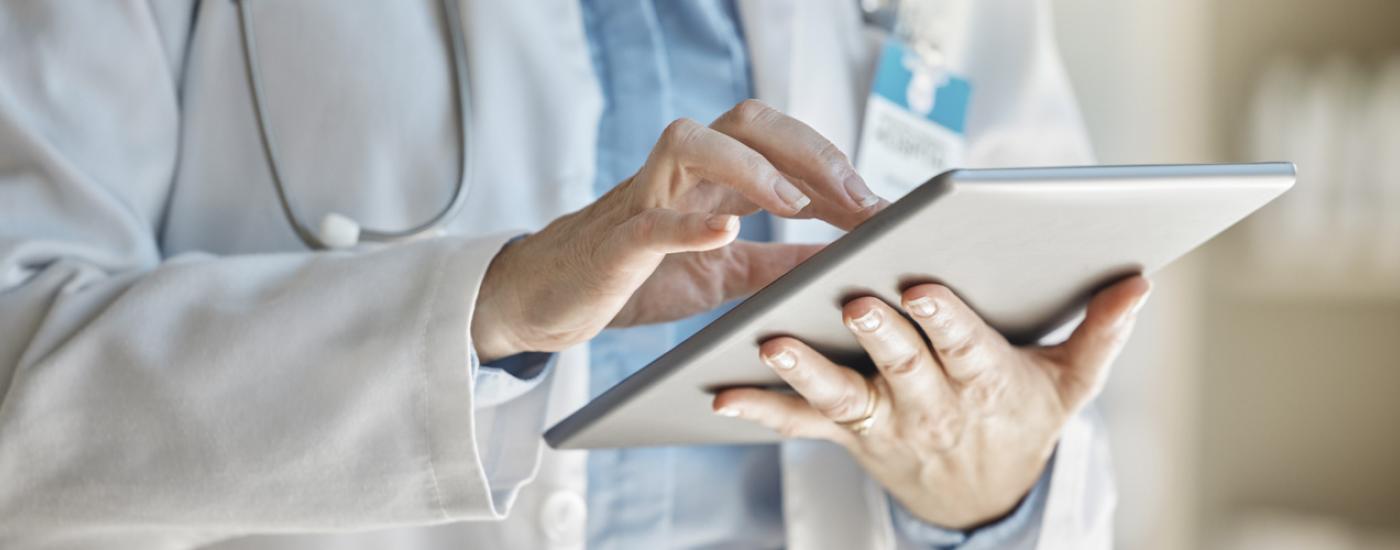
Cybersecurity is vital in health insurance. Its main purpose is to protect patients’ confidential data, which helps keep medical care running without interruption. This means preventing leaks of personal and medical data and avoiding treatment disruptions caused by cyberattacks, as well as maintaining patient trust in the health system.
This article explains what health care cybersecurity is, why it matters, some of the threats the health insurance sector faces in this area, and some of the best practices recommended by cybersecurity professionals.
ÍNDICE DEL ARTÍCULO
What is health care cybersecurity?
Health care cybersecurity refers to all the practices and technologies that protect health systems, patient data, and medical devices from any type of cyberattack.
CrowdStrike, a cybersecurity platform, explains that because health care increasingly depends on digital tools and interconnected systems, protecting patients’ sensitive information is essential, as is taking steps to make sure health systems work as they should.
In addition, health care cybersecurity aims to prevent interruptions in care, since a cyberattack can affect how hospitals, clinics, or laboratories operate, compromising the availability of essential services. A cyberattack could disable medical equipment or block access to medical records, which can put patients at risk.
For this reason, it is not only about protecting data but also about ensuring the continuity and safety of medical care.
Why is cybersecurity critical in the health sector?
The health care industry has historically been one of the main targets of cyberattacks. The sector handles an enormous amount of sensitive information, from personal and financial data to complete medical records, which makes it a very attractive target for cybercriminals.
Unlike other sectors, a security breach in health care has not only economic consequences but can also put patients at risk.
When systems are attacked, hospitals can lose access to clinical data essential for care, such as lab results or information on allergies and previous treatments. This can delay urgent procedures or prevent them from being carried out correctly, with potentially serious consequences for patients.
Health care organizations also have many systems and devices that attackers can target, and many of them are poorly protected. Connected medical devices, along with personal computers used by clinical or administrative staff that do not always have adequate security, increase the system’s vulnerabilities.

Third parties add to the risk. Software vendors, outside laboratories, and other partners often have access to confidential information, which gives attackers additional ways in.
The consequences of a security breach in this context are serious. Medical information, known as protected health information (PHI), is highly valued on illicit markets because of the personal data it contains, which can be used for identity theft, health insurance fraud, and other criminal activity. For that reason, medical records are often described as more valuable to criminals than payment card data, which gives attackers an added incentive.
In addition, institutions hit by ransomware are often pressured to pay high ransoms to regain control of their systems, which causes major financial losses and reputational damage.
Main cyber threats in the health sector
Among the main cyber threats in health care, ransomware stands out as one of the most serious and frequent. This type of attack consists of locking systems by encrypting essential data until the affected organization pays a ransom.
Its impact goes well beyond financial loss: it can bring entire hospitals to a standstill, cancel surgeries, delay diagnoses, and hold up urgent treatments. When systems are unusable, health professionals cannot access medical records or lab results, which directly affects the quality and continuity of care.
Another recurring threat is phishing, one of the tactics most used to infiltrate health systems. These attacks rely on deceiving employees with fake emails or messages that appear legitimate.
By clicking a link or downloading an infected file, attackers can steal login credentials, which they can use to enter internal networks and move around inside them without being detected. Because health care staff handle large volumes of information and often work under pressure, they are especially vulnerable to this kind of deception, and training them to spot fraudulent emails is critical.
Insider threats also pose a considerable risk. Not all attacks come from outside: in some cases, employees, former employees, or contractors access sensitive information improperly. These incidents can be intentional, such as selling data to third parties, or accidental, when files are handled without the necessary precautions.
Impact of data theft on health insurance
The impact of data theft on health insurance is significant and can have economic, legal, and social repercussions that extend well beyond the organizations affected. When a security breach occurs, not only is patient information compromised, but so is the operational stability of insurance systems and care networks.
One of the clearest examples is the February 2024 ransomware attack on Change Healthcare. According to the U.S. Department of Health and Human Services, approximately 190 million individuals were potentially affected, making it the largest health data breach reported in the United States.
The company had to take its systems offline, which disrupted both its own operations and those of many hospitals and clinics that relied on its platform to process claims, payments, and daily operations. The attack caused not only multimillion-dollar losses but also a temporary disruption of financial and care flows, showing how vulnerable interconnected health networks can be.

From an economic standpoint, attacks like this can generate enormous costs from ransom payments, regulatory fines, class action lawsuits, and loss of policyholder trust. They also cause disruptions that directly affect the delivery of medical services and the management of insurance.
At the same time, the possibility that sensitive data could be manipulated or leaked can have serious consequences, especially in key processes of digitalization in health insurance, where large volumes of medical and personal information are managed and require high standards of security and confidentiality.
Cybersecurity regulations and standards for the health sector
Cybersecurity regulations play a key role in protecting patients’ sensitive information and ensuring the continuity of medical services. These laws and standards set out how personal data, medical records, and digital systems must be managed in hospitals, clinics, laboratories, and insurers.
However, requirements can vary from one country to another, depending on the legal framework and national priorities. In general, they all aim to ensure the confidentiality, integrity, and availability of health information.
The table below summarizes the main cybersecurity regulations and frameworks for the health sector, along with their scope. It is a general overview and not legal advice. Requirements change, so they should be confirmed with qualified legal counsel in each country.
| Regulation or standard | Description | Scope |
|---|---|---|
| Statutory Law 1581 of 2012 (Personal Data Protection) | Sets the general framework for personal data protection, including sensitive data and health data. | Colombia |
| Organic Law on Personal Data Protection (LOPDP) | Regulates the processing of personal data, with particular emphasis on sensitive data and information security. | Ecuador |
| Law No. 29733, Personal Data Protection Law | Sets security measures for the processing of personal data, including health-related data. | Peru |
| GDPR (General Data Protection Regulation) | Regulates the processing of personal data in the European Union. | European Union, with extraterritorial reach for organizations that process data of people in the EU |
| HIPAA (Health Insurance Portability and Accountability Act) | U.S. law that sets standards for protecting personal health information (PHI). | United States |
| ISO/IEC 27001 | International standard for information security management. | Global |
| IEC 80001-1 (formerly ISO/IEC 80001-1) | Standard for risk management of IT networks that incorporate medical devices, covering safety, effectiveness, and security. | Global |
| National Cybersecurity Strategy (Second Strategy, Resolution 44/2023) | Defines national policies and actions to strengthen the country’s digital resilience, including the protection of critical infrastructure. | Argentina |
In general, these frameworks call for health care institutions to apply technical measures such as data encryption or strong passwords, as well as organizational policies that ensure staff training and ongoing system audits.
For example, a hospital that uses connected devices to monitor respiratory conditions is expected to follow cybersecurity protocols that prevent tampering with data or alteration of medical records. Likewise, in the care of people with common mental health conditions, confidentiality is even more sensitive, since any improper exposure of information can affect a person’s emotional and social well-being.
Cybersecurity best practices for health insurers
Anyone working in health insurance should take cybersecurity measures to protect people’s information and avoid the full range of consequences a cyberattack can have.
Among the most important, cybersecurity professionals recommend:
- Conduct regular risk assessments: identify vulnerabilities in systems, networks, and applications that attackers could exploit.
- Adopt a zero-trust architecture: this approach removes the assumption that anything inside the network is safe. Every user, device, or application must be verified before accessing data, which can substantially reduce the risk of unauthorized access or lateral movement within the system.
- Ensure secure remote access: with the growth of remote work and digital services, using virtual private networks (VPNs) and multifactor authentication (MFA) is important to protect external connections.
- Protect identities and access credentials: identity and access management (IAM) and the principle of least privilege (PoLP) should be applied strictly so that each employee or external partner can access only the information they need.
- Train staff continuously: human error is one of the leading causes of security incidents. Training in good digital practices, recognizing phishing emails, and handling personal data responsibly should be a constant priority for insurers.
All of these measures can make a difference and help prevent losses in the millions from data leaks or the disruption of essential services. No single measure removes the risk entirely, so these practices work best as part of a layered approach. They also strengthen client trust, a key factor in an industry that handles extremely sensitive information, such as medical records and financial data.
This article is for informational purposes only and does not replace professional advice. For guidance on protecting a specific organization or system, it is best to consult a qualified cybersecurity professional.


