
Reading time: 7 minutes
Fatty liver disease can lead to serious complications if it is not managed. In some people, it progresses to more serious conditions such as cirrhosis, which can reduce life expectancy.
This article offers a weekly meal plan and dietary guidance to help prevent and manage fatty liver disease, and answers some frequently asked questions.
INDEX
What is fatty liver disease and why does it occur?
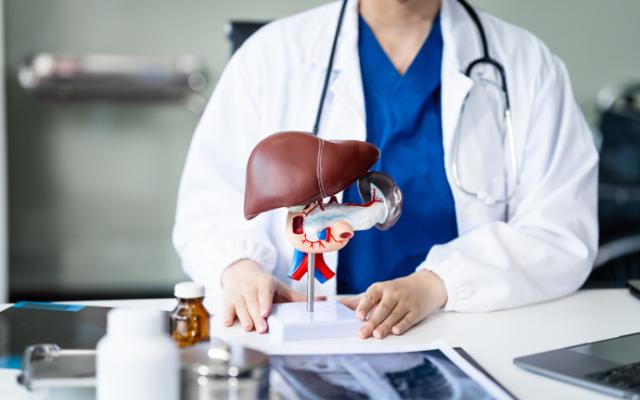
Steatotic liver disease, or fatty liver disease, is a condition characterized by the buildup of fat in the liver. When it is not related to alcohol, it is called nonalcoholic fatty liver disease (NAFLD), a term that has recently been replaced in many guidelines by metabolic dysfunction-associated steatotic liver disease (MASLD).
WebMD discusses this and notes that the disease can result from metabolic dysfunction or, in its less common form, as a consequence of alcohol consumption. In the first case, which is the one this article focuses on, there are risk factors such as obesity, high cholesterol, type 2 diabetes, and a sedentary lifestyle.
Proposed weekly meal plan for nonalcoholic fatty liver disease
Excess calories, particularly from refined carbohydrates, added sugars, and unhealthy fats, can increase fat buildup in the liver. That is why a healthy diet that limits these foods is recommended.
For more ideas, see our article on healthy meals. Here is a proposed weekly meal plan that can help achieve this:
| Day | Breakfast | Mid-morning snack | Lunch | Afternoon snack | Dinner |
|---|---|---|---|---|---|
| Monday | Whole oats with apple and walnuts. | Plain unsweetened yogurt. | Baked chicken breast, quinoa, green salad. | Fresh fruit (apple). | Spinach omelet, tomato salad. |
| Tuesday | Whole-grain bread with avocado and a hard-boiled egg. | A handful of almonds. | Steamed white fish (such as hake), mashed sweet potato, steamed broccoli. | Carrot sticks and hummus. | Vegetable soup, whole-grain toast with fresh cheese. |
| Wednesday | Fruit, skim yogurt with oats and flaxseeds. | A handful of walnuts. | Swiss chard, lentils, and fresh fruit. | Fresh fruit (pear or apple). | Broccoli, grilled salmon, and chamomile tea. |
| Thursday | Whole-grain toast with tomato and olive oil. | Fresh fruit (orange or kiwi). | Brown rice paella with fish and seasonal vegetables. | Plain unsweetened yogurt. | Sautéed mushrooms with onion, grilled turkey, and chamomile tea. |
| Friday | Oat and spinach omelet. | Fresh fruit (apple). | Fish, brown rice, leafy green salad. | A handful of nuts. | Pumpkin soup with toasted pumpkin seeds. |
| Saturday | Whole-grain bread with almond butter, skim yogurt with fruit. | A handful of nuts. | Baked hake with potatoes, arugula salad. Fresh fruit. | Plain unsweetened yogurt. | Vegetable soup with whole-grain toast. |
| Sunday | Homemade fruit compote with chia seeds, toast with lean turkey breast. | Whole oat flakes or wheat or rye breadsticks. | Chickpea salad with fresh tomato, onion, tuna, and roasted red peppers. | Plain unsweetened yogurt. | Pureed seasonal vegetables, low-sodium skim fresh cheese, and peppermint tea. |
This meal plan is designed to support liver health, since it includes foods such as vegetables, lean proteins, healthy fats, and whole grains. Portion control is also important, and the diet can vary depending on individual nutritional needs.
This is a general meal plan, so it is advisable to consult a doctor or registered dietitian for a personalized one.

Dietary recommendations for nonalcoholic fatty liver disease
To prevent or manage nonalcoholic fatty liver disease, a heart-healthy diet, such as the Mediterranean diet, is recommended, prioritizing fruits and vegetables, legumes, whole grains, and healthy fats. It is also important to limit processed foods and foods with added sugars.
Below are some recommendations.
Foods that support liver health
General dietary recommendations for preventing fatty liver disease include a calorie-restricted diet rich in healthy foods such as fruits, vegetables, and low-fat proteins. Gradual weight loss in people with overweight can improve fatty liver disease. Attention should also be paid to cooking methods: baking, steaming, or grilling is healthier than frying.
Recommended fruits and vegetables
Among the fruits often recommended for liver health, Medical News Today highlights berries, such as blueberries and raspberries, and grapes, which contain antioxidants that may help protect the liver. Apples, pears, kiwis, and citrus fruits can also be included.
Among vegetables, leafy greens are especially recommended.
Healthy fats
Healthy fats can replace saturated fats and provide other benefits for the body. Foods such as avocado, olive oil, and nuts are good sources.
Omega-3-rich foods also belong in this category, especially fatty fish such as sardines, salmon, and mackerel. For more foods with anti-inflammatory properties, see our article on anti-inflammatory foods.
Low-fat protein sources
Lean proteins such as chicken, turkey, and fish are good options because of their low saturated-fat content. Legumes such as lentils, chickpeas, and beans also provide fiber and plant-based protein.
Foods and habits to avoid
Some foods and habits can harm the liver and are best limited. Alcohol and a sedentary lifestyle also affect liver health.
Processed foods and saturated fats
An article titled Diet and Lifestyle Tips to Reverse Fatty Liver Disease notes that, to manage fatty liver problems, it helps to limit processed foods and foods high in saturated fat, especially baked and fried products made with palm or coconut oil.
Sugars and sugary drinks
Added sugars, especially from sugary drinks, are linked to fatty liver disease, so it is best to limit them. This includes candy, soda, and other sugary drinks, and foods with added sugars such as high-fructose corn syrup.
Supplements and additional care
The article cited above also mentions some supplements that have been studied for fatty liver disease, including goji berries, resveratrol, selenium, and berberine, among others. Evidence for them is limited, supplements are not a substitute for diet and exercise, and some can harm the liver, so a doctor should be consulted before taking any.
Staying well hydrated also supports overall health, including normal liver function.

Tips for maintaining a healthy diet in the long term
A balanced diet can seem challenging, especially for people who are not used to eating certain foods. For that reason, here are some tips for building healthy eating habits that last.
How to adapt the meal plan to personal preferences?
Eating healthily does not mean giving up enjoying meals. Foods that are not appealing can be replaced with others that have similar nutritional properties. The key is to focus on nutrient-rich foods and limit those that offer little nutritional value and can cause harm.
The importance of consistency and portion control
Verywell Health stresses that healthy eating should be a lasting lifestyle change, not a temporary one, so consistency is essential.
Portion control matters as well: controlling the amount of food eaten helps keep daily calorie intake within healthy limits.
Exercise and other practices to support liver health
Physical activity is an important complement for people who want to prevent or manage fatty liver disease and lead a healthier life. Aerobic exercise such as walking, swimming, or cycling can help reduce liver fat and contributes to overall well-being. Health guidelines generally recommend at least 150 minutes of moderate activity per week.
Frequently asked questions about the fatty liver diet
To go deeper and answer any remaining questions, here are some frequently asked questions about eating with fatty liver disease.
What kind of bread can be eaten with fatty liver disease?
Whole-grain bread is a better choice than bread made with refined flour. It provides more fiber and nutrients, and whole grains are associated with a lower risk of fatty liver disease.
Which foods should be avoided?
As mentioned earlier, it is best to limit fried and processed foods, refined carbohydrates, and foods with added sugars.
A low-sodium diet is also recommended.
What milk should be consumed with fatty liver disease?
Low-fat or skim milk and unsweetened plant-based milks, such as almond or soy milk, are both suitable options for people with fatty liver disease.
What yogurt can be eaten with fatty liver disease?
As with milk, it is best to choose plain low-fat or nonfat yogurt, including low-fat or nonfat Greek yogurt. Greek yogurt is not low in fat by default, since some versions are made with whole milk, so the label should be checked. Other types of yogurt can also be eaten, but make sure they contain no added sugar.
Sources:
- https://diabeteswellnessaustralia.com.au/blog/the-best-diet-for-fatty-liver-what-to-eat-and-what-to-avoid/
- https://www.betterhealth.vic.gov.au/health/conditionsandtreatments/liver-fatty-liver-disease#causes-of-fatty-liver-disease
- https://www.webmd.com/hepatitis/fatty-liver-disease-diet
- https://my.clevelandclinic.org/health/diseases/15831-fatty-liver-disease
- https://www.webmd.com/hepatitis/fatty-liver-disease
- https://www.medicalnewstoday.com/articles/323915#12-best-foods
- https://www.verywellhealth.com/eating-for-fatty-liver-disease-4691109


