

Reading time: 9 minutes
This article explains how to bring down a fever in adults and when to see a doctor to find out what is causing the rise in body temperature.
In adults, a fever is generally a temperature of 38 °C (100.4 °F) or higher. The effectiveness of some of the methods described here can vary from person to person, and medical studies on them are limited. A healthcare professional should be consulted if the fever is severe or does not go away.
INDEX
Use over-the-counter medications
Over-the-counter fever reducers are usually the first option. According to Mayo Clinic, many professionals recommend acetaminophen or ibuprofen. These medications are mainly used to relieve discomfort, and a mild fever does not always need treatment.
Acetaminophen and ibuprofen are antipyretics, meaning they reduce fever.
Read the label carefully, since concentrations vary, and follow the dosing instructions.
Apply damp compresses to the forehead
Home remedies can also help. They are widely used and mainly help a person feel more comfortable.
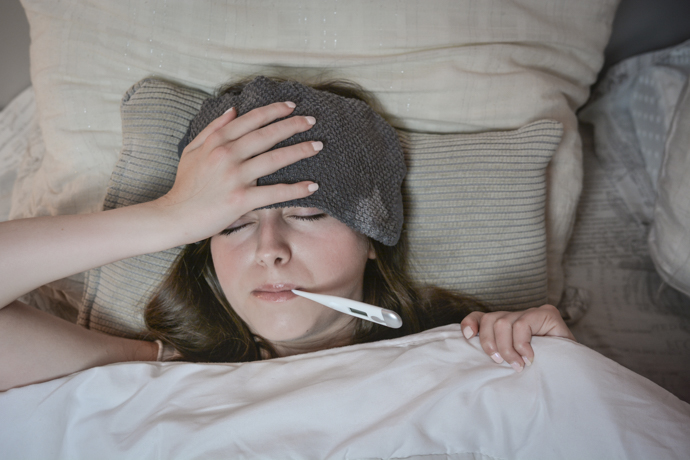
The most common is applying damp compresses to the forehead or the back of the neck. It is very simple and can be done by following these steps:
- Soak a towel or compress in plenty of lukewarm water.
- Wring it out to remove excess water.
- Place it gently on the forehead.
It is easiest to do this while lying down, so that the compress stays in place until it is replaced with another one.
Take lukewarm baths
Verywell Health notes that a lukewarm bath may help relieve fever discomfort. This can be useful because fever often disrupts sleep and rest.
A tub is ideal, but a lukewarm shower also works. Stay in until the water starts to cool, and get out if shivering starts.
Stay hydrated
Fever can also cause dehydration, because the body loses more fluid through sweat. The higher the body temperature, the greater the risk of dehydration.
Drinking enough fluids helps avoid dehydration. Water is the best choice, and sports drinks or oral rehydration solutions can also help.
Rest
The Cleveland Clinic notes that rest is important, because it lets the immune system work more effectively against the infection or other problem causing the fever.
Not resting enough may prolong recovery, so it is important to stay home and avoid strenuous activity.
Sleep is also important. Fever discomfort can make it harder to sleep well, but resting as much as possible helps the body recover.

Wear light clothing
Light clothing does not directly lower a fever, but it helps the body release heat and feel more comfortable. Verywell Health also recommends staying in a cool, comfortable room and wearing light, breathable fabrics.
People with chills often want to bundle up, but overheating can be counterproductive. Anyone who starts to sweat heavily should remove a layer or cool down.
This can be done together with some of the methods already discussed, such as applying damp compresses to the forehead or drinking refreshing beverages.
What to do to bring down a fever in children?
The methods for adults do not always apply to children, since age-appropriate medications are needed. Here are some key guidelines.
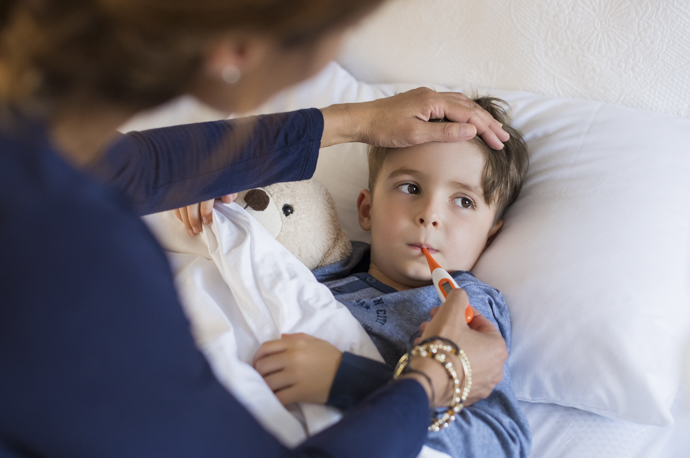
Parents.com notes that it is not necessary to use medication as soon as children show signs of fever, since in some cases fever is part of the body’s natural defense against infection and is not necessarily a dangerous symptom.
If the temperature is very high, or the child feels unwell, it is best to see a doctor, who can determine whether medication is needed to relieve the discomfort.
With the help of a healthcare professional, it is possible to know which medication to use and what dose is recommended for the child’s age and weight. Aspirin should not be given to children or teenagers, as it can cause a rare but serious condition called Reye syndrome, and ibuprofen should not be given to babies younger than 6 months.
What to avoid if you have a fever
It is also important to know what to avoid. Some popular home remedies are ineffective or can even be harmful.
Here is a brief summary of what to avoid when there is a fever.
Avoid rubbing the body with alcohol
One of the most widespread myths about treating fever is that massaging the body or applying compresses with alcohol lowers the temperature. It is a “home remedy” that is not only ineffective but can also cause additional problems.
People who use it generally feel the body cooling down, but what actually happens is that the alcohol evaporates very quickly and cools the skin. This can signal to the brain that the body is cold, which can trigger shivering and raise body temperature even more.
Rubbing alcohol can also be absorbed through the skin and inhaled, which can be toxic, especially in children.
For these reasons, rubbing alcohol should not be used to treat or relieve fever.
Do not exceed medication doses
Fever reducers are safe when used as directed, but taking more than the recommended dose does not speed recovery and can harm health. The right dose depends on age, weight, and health conditions.
Pay attention to the milligrams of active ingredient in each dose and how often it is taken. Side effects of ibuprofen and other nonsteroidal anti-inflammatory drugs (NSAIDs) can include:
- Stomach upset.
- Stomach bleeding.
- Kidney problems.
Acetaminophen taken in excess can cause serious liver damage, especially when combined with alcohol or with other products that contain acetaminophen. People with liver, kidney, or stomach conditions should ask a doctor before taking either medication.
Avoid cold baths
Lukewarm baths can help, but the water should be neither hot nor cold. Cold water is a different matter: it may seem like a good way to cool down, but it can be counterproductive.
Better Health Channel notes that cold water constricts blood vessels, making it harder for the body to release excess heat. The shock of cold water can also cause chills, which can raise body temperature even more.
When to see a doctor for a fever
Most fevers are not a cause for concern and are a symptom of common conditions such as a cold. For other cold symptoms, such as cough, see our guide on home remedies for a cough. In some cases, however, a doctor needs to evaluate the underlying problem.
The thresholds depend on age. Generally recommended guidelines are:
- Babies up to 3 months: they should be seen by a doctor right away when the fever (measured rectally) is 38 °C (100.4 °F) or higher, even if there are no other symptoms. The cause needs to be identified as soon as possible.
- Babies 3 to 12 months: if body temperature is above 38.9 °C (102 °F) or other symptoms are present, a doctor should be seen to determine the cause.
- Children 12 months to 2 years: over-the-counter pediatric medications can be used under medical guidance, and a doctor should be seen if the fever does not go down or lasts more than a day.
- Children over 2 and teenagers: if there is no response to treatment and the fever is above 38.9 °C (102 °F), or if it lasts more than three days. In any case, a doctor should be consulted whenever there are doubts.
- Adults: when the fever is above 39.4 °C (103 °F), lasts more than three days, or does not respond to treatment.
At any age, a fever accompanied by a severe headache, stiff neck, confusion, difficulty breathing, chest pain, seizures, or persistent vomiting needs urgent medical attention. In addition, medications should be used only as directed on the label, and a doctor should be consulted before taking others. Some people may be allergic to certain ingredients, which can make the situation worse.
Sources:
- https://www.betterhealth.vic.gov.au/health/conditionsandtreatments/fever
- https://www.mayoclinic.org/diseases-conditions/fever/in-depth/fever/art-20050997
- https://www.parents.com/health/fever/the-dos-and-donts-of-fighting-a-fever-0/
- https://www.verywellhealth.com/can-i-use-rubbing-alcohol-to-bring-down-a-fever-770595
- https://www.verywellhealth.com/safe-ways-to-treat-a-fever-4023633
- https://health.clevelandclinic.org/breaking-a-fever


