
Reading time: 8 minutes
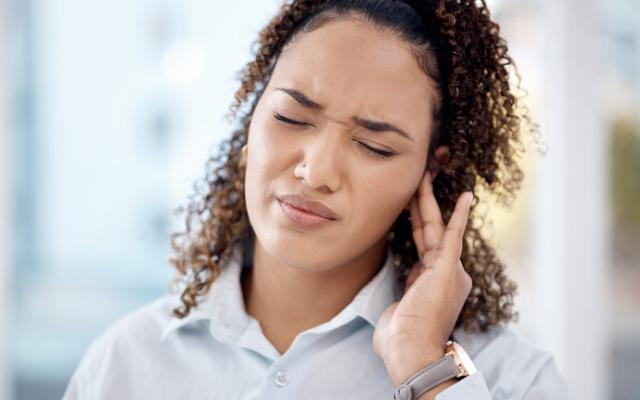
Having clogged ears can be very uncomfortable and, in some situations, can even cause pain. The blockage can affect balance and, in some cases, contribute to falls, as it can cause disorientation.
This problem can affect people of all ages; however, children tend to be more vulnerable to it. It is also worth considering whether a sinus infection (sinusitis) may be causing the blockage.
This article explains how to relieve clogged ears and describes the situations in which it is essential to seek help from a doctor or other healthcare professional.
INDEX
Why do ears get clogged?
When our ears feel clogged, it is usually because the Eustachian tubes, which connect the middle ear to the back of the nose, are blocked. This can cause dizziness, pain, and, in some cases, problems with balance.
Clearing the ears usually relieves these bothersome symptoms.
It is important to understand that the Eustachian tubes play an important role in regulating pressure inside the ears. When these tubes become blocked, pressure cannot equalize properly, which leads to the feeling of blockage.
Treatments such as decongestants or breathing techniques may help relieve the blockage and restore normal ear function.
How to unclog ears
There are several ways to unclog ears, such as those described in this Healthline article. Depending on the situation, some people find relief by performing maneuvers at home, while others, in more complex situations, may require medication.
To unclog the ears, it is important to first determine where the problem is located, whether in the middle ear, the outer ear, or behind the eardrum. Each area may require a different approach to relieve the blockage.
It is important to understand the anatomy of the ear and the origin of the blockage in order to choose the most effective and safe treatment. Procedures range from simple home techniques to medical interventions in cases of severe or persistent blockages.
Unclogging the middle ear
For middle ear blockage, the Valsalva maneuver is often recommended, as it can help open the Eustachian tubes. It is an easy method to perform.
To perform it, pinch the nose closed and blow gently with the lips closed; the pressurized air will try to escape and will pass through the Eustachian tubes toward the ears. It is important to avoid straining too hard, as this could damage the eardrum. This method is especially useful during pressure changes caused by altitude, but it is important to note that it may not be effective if there is fluid in the middle ear. It should also be avoided if there are signs of an ear or sinus infection.
Ear pain during a flight is usually due to middle ear blockage caused by pressure changes. The Valsalva maneuver can help restore normal pressure in the ears. However, if the problem persists, it could be an acute middle ear infection.
Another technique used to relieve pressure in the middle ear is the use of nasal sprays. These sprays work well as a preventive measure before flying or in cases of nasal congestion or sinusitis. Decongestant sprays should be used for only a few days, following the package instructions.

Unclogging the outer ear
To unclog the outer ear, there are several techniques, described below:
- Mineral oil: To relieve outer ear blockage, slightly warm a few drops of baby oil or olive oil and place two drops in the affected ear. It is important to check the temperature of the oil to avoid burns inside the ear. Use a dropper and keep the head tilted with the affected ear facing up for at least 15 seconds; repeat this procedure for 5 days.
- Hydrogen peroxide or carbamide peroxide ear drops: Follow the same procedure as with oil. If using hydrogen peroxide, dilute it with warm water; carbamide peroxide ear drops should be used as directed on the package. A fizzing sensation is normal and will quickly go away. Maintain the position until the sensation stops completely.
- Over-the-counter drops: These drops are available at pharmacies and should be applied according to the package instructions.
- Ear irrigation: This procedure is especially useful when the wax has been softened by previous treatments. It can be done at home with lukewarm water and the help of another person, making sure that the wax is soft enough to be removed safely.
- Compresses: Applying a warm compress around the ear may help clear the blockage. Alternatively, taking a warm bath for 15 minutes may also help soften and release wax buildup.
It is important to choose the method best suited to the nature of the blockage and to always carry out these practices with caution to avoid damaging the ear. Ear drops and irrigation should not be used if there is ear pain, discharge, or a known or suspected perforated eardrum. If symptoms persist or pain increases, it is advisable to consult a medical professional for a more detailed evaluation.
How to unclog an ear blocked by water
To unclog an ear blocked with water, have the person lie on their side with the affected ear facing down and stay in that position for 5 minutes; after this time, the water should drain on its own.
Another technique that may work is chewing gum while tilting the head toward the affected side, which can help open the Eustachian tubes and let the water out. Do not hit the head in an attempt to expel the water, as this can cause injury.
To prevent this problem, it is advisable to wear earplugs when swimming, especially for frequent swimmers. This preventive measure may help prevent water buildup and reduce the risk of infections.
How to unclog an ear blocked by mucus
Infections such as the flu and colds can cause mucus to build up in the nose and ears. In young children, who often have difficulty blowing their noses, this can be particularly problematic. Excess mucus, besides being uncomfortable, can also make it harder for them to hear properly, resulting in irritability and difficulty communicating.
To relieve blockage caused by mucus, warm compresses can be applied over the ear area and a nasal aspirator can be used gently in the youngest children. Steam inhalation may also help loosen mucus and make it easier to clear, improving hearing and overall comfort.

In these cases, the most advisable approach is to take steam baths to help clear mucus and relieve nasal congestion. A hot shower can help soften secretions in the airways and make it easier to blow the nose properly. Care should be taken to avoid burns, particularly with children.
Another method is to heat water and add a few drops of eucalyptus essential oil or a few sprigs of the plant, then inhale the vapors while covering the head with a towel. This procedure should last about 15 minutes and, once the mucus has loosened, it should be expelled carefully. It is not recommended for young children because of the risk of burns.
If symptoms do not improve, it is advisable to see a doctor to rule out otitis media with effusion, a condition caused by fluid and mucus buildup in the middle ear.
In addition, it is helpful to maintain good daily nasal hygiene, especially during colds or allergies, to prevent complications and improve breathing.
Health Insurance with Worldwide Coverage
If you are a Bupa Insured, we offer you Nutritional Counseling through our Blua services, that allow you to talk with nutrition experts via video consultation wherever you are, along with regular sessions to help you on a day-to-day basis. After an initial assessment with our nutrition advisor, you will receive a personalized plan to help you improve your eating habits.
Is part of your policy benefits, without coinsurance or deductible.
How to treat a wax-clogged ear
Excessive earwax buildup can block the ear canal and, in some cases, contribute to infections, so it is important to treat blockages from this cause when they occur.
To treat earwax blockages, diluted hydrogen peroxide or warm compresses over the outer ear can be used to soften wax that has built up inside the ear canal. These methods are generally considered safe when used correctly.
These techniques help remove wax and can also reduce the pain and discomfort associated with buildup. If no compress is available, a bottle filled with warm water can be applied carefully to the affected area for a similar effect, making sure it is not hot enough to burn the skin.
Unclogging ears caused by pressure changes
When traveling for long periods, especially by plane, it is common for ears to become clogged because of changes in atmospheric pressure.
A helpful measure is to start chewing gum before boarding the plane or beginning a road trip. The critical moments of a flight are takeoff and landing, as these are the phases in which pressure changes most dramatically. Forced yawning can also help equalize pressure and relieve the feeling of blockage.
In addition to chewing gum and yawning, frequent swallowing can help, as can earplugs with pressure-regulating filters designed specifically for air travel, which help regulate pressure gradually and may prevent blockage.
Precautions
The ears are extremely sensitive and require special care. Ear, nose, and throat (ENT) specialists warn about the risks of regularly cleaning the ears with cotton swabs or other objects, as these can perforate the eardrum and cause hearing loss.
Earwax, together with the tiny hairs in the ear canal, acts as a protective barrier that helps keep out small insects and dirt while we sleep. For this reason, it is important not to remove it completely and to clean only the outside of the ear canal gently and safely.

The safest way to clean the ears is to use a damp cloth on the outer part of the ear, avoiding inserting fingers or any object into the ear canal.
When to see a doctor
There are many home solutions for unclogging ears, but consulting a specialist can prevent complications and speed up recovery. Specialists are trained to perform effective maneuvers without causing internal damage.
In situations such as a sinus infection or a middle ear infection, a specialist needs to prescribe the appropriate medical treatment, and self-medication should be avoided. If symptoms persist despite home remedies, it is advisable to see an ear, nose, and throat specialist (otolaryngologist). Signs such as dizziness, hearing loss, ringing in the ears, pain, or discharge may indicate a problem that requires medical attention.
It is important to note that, although having clogged ears is uncomfortable, in many cases it is easy to treat. Sometimes treatment can be done without medical intervention, but it is always important to analyze the cause of the blockage, whether it is a recent trip to the beach, a swimming pool, an episode of flu, or an allergy that produces mucus.
In other cases, it is necessary to consider how long it has been since the ears were last cleaned, as the blockage may be due to excessive earwax buildup. These problems are usually easy to resolve, unless there is an infection.
When hearing loss that is not due to a blockage is diagnosed, the specialist may recommend hearing aids to mitigate the problem.


