
Reading time: 9 minutes
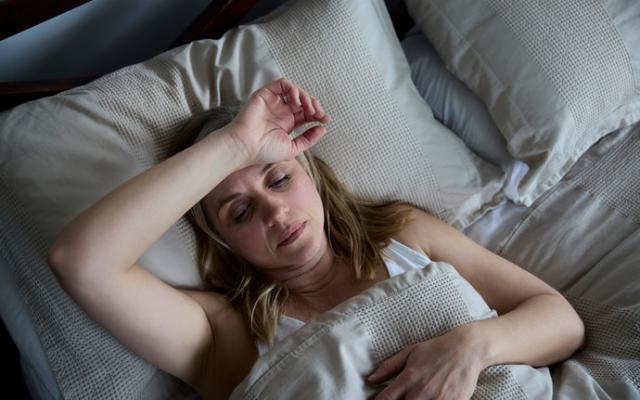
Few things are as uncomfortable as sweating at night. It makes the skin damp and sticky and often interrupts sleep. Waking up drenched in sweat can cause frustration and discomfort, especially when it happens frequently, and it can significantly affect sleep quality. But why does it happen? What causes night sweats?
This article explains the most common causes of night sweats and when it is advisable to see a doctor.
INDEX
Causes of night sweats
Night sweats have many possible causes: some are medical conditions, while others relate to the environment or lifestyle.
Here are some of the most common causes.
Menopause
One of the most common causes of night sweats in women is menopause, which usually occurs between the ages of 45 and 55. This happens because estrogen and progesterone levels in the body drop significantly, which can cause certain symptoms, including night sweats. Night sweats often begin during perimenopause, the years leading up to menopause.
Women who have night sweats because of menopause may wake up drenched in sweat, with damp bedding, and find it hard to get back to sleep.
The Cleveland Clinic notes that some treatments can help relieve night sweats, most notably hormone therapy. However, this should be done under medical supervision, since it is not suitable for everyone.
Hormonal disorders
Another cause of night sweats is hormonal disorders. This is not limited to women; men can be affected as well, although according to the Sleep Foundation, night sweats are more common in women.
One of the hormonal disorders often associated with night sweats is hyperthyroidism, in which the thyroid produces too much thyroid hormone, speeding up metabolism and raising body temperature. People with this condition may have night sweats on a regular basis, which can be quite bothersome.
Primary ovarian insufficiency can also cause night sweats, for the same reason as in menopause: the body produces less estrogen.
Infections
Infections can also trigger night sweats, whether viral or bacterial. Some of these infections, according to Mayo Clinic, are:
- Brucellosis: a bacterial disease transmitted to humans mainly through contact with infected animals or contaminated animal products.
- Endocarditis: this infection can be caused by a variety of bacteria, including streptococci and staphylococci. It can cause a range of symptoms, which may include persistent fever, fatigue, weight loss, and night sweats.
- Tuberculosis: a disease that mainly affects the lungs but can also affect other organs and systems of the body.
Any of these infections requires medical attention, since they can be serious and potentially life-threatening if not treated properly. It is essential to seek medical care when night sweats are accompanied by other signs of infection, such as fever, fatigue, and pain.

Room temperature
Night sweats can also have external causes. Sometimes people sweat at night simply because the room is too warm.
This can happen especially during the summer months or in places with a warmer, more humid climate. Fans, air conditioning, and lighter bedding can help.
Although annoying, this is usually easy to fix and is not a sign of a medical problem.
Consequences of night sweats
Even when they are not a sign of illness, night sweats can affect daily life. When they occur along with other symptoms, they may indicate a health problem.
The consequences below relate only to waking up because of sweating, not to any underlying medical condition.
Sleep disruption
The main consequence of night sweats is sleep disruption, since when sweating occurs repeatedly during the night, it is common to wake up because of the discomfort.
Repeated awakenings can affect health and well-being by preventing restful, uninterrupted sleep. They can also cause fatigue, daytime sleepiness, and mood changes.
Physical discomfort
Waking up drenched in sweat can be overwhelming and cause a general sense of discomfort. In addition, sweat can irritate the skin, especially with friction against bedding or another person’s skin.
Interrupted sleep often involves more than waking up: depending on the amount of sweat, people may also need to shower or change the bedding.
Impact on quality of life
Frequent night sweats can affect quality of life, mainly through their physical impact. The fatigue and lack of energy they cause can make daily activities harder.
It can also affect work performance, because it becomes harder to concentrate and stay motivated. When night sweats persist and no solution is found, stress, anxiety, and irritability may increase.

Is it necessary to see a doctor?
Night sweats do not necessarily mean that a person has a medical condition, so it is not always necessary to see a doctor. However, according to Mayo Clinic, it is advisable to schedule a visit if night sweats occur on a regular basis, interrupt sleep, or start months or years after menopause symptoms ended. The decision depends on the frequency, severity, and persistence of the episodes.
If other symptoms are present and the episodes are very frequent, it is important to see a healthcare professional, since the sweating may reflect an underlying medical condition.
As mentioned earlier, night sweats can be a symptom of infections, hormonal disorders, and other conditions that only a healthcare professional can diagnose. They can also be caused by certain medications (such as some antidepressants), low blood sugar, anxiety, sleep disorders such as sleep apnea, and, less commonly, some cancers such as lymphoma. Once the cause is identified, the doctor can offer solutions and recommend a treatment plan.
Healthdirect Australia recommends seeing a doctor when, besides sweating, these symptoms are also present:
- Weight loss.
- Fever.
- Pain in specific areas of the body.
- Stomach problems, such as diarrhea.
Tips for preventing night sweats
In some cases night sweats can be prevented, while in others their intensity can only be reduced. It all depends on what is causing the person to sweat at night.
Healthline suggests some tips that may help:
- Limit alcohol and caffeine.
- Avoid tobacco and drugs.
- Keep the sleeping environment cool.
- Maintain a healthy weight.
- Avoid spicy food, which may trigger or worsen symptoms in some people.
In addition, it is advisable to maintain good sleep habits, practice relaxation techniques before bed, and use bedding made of breathable materials such as cotton.
Sources:
- https://www.bupa.co.uk/newsroom/ourviews/night-sweats-menopause
- https://my.clevelandclinic.org/health/symptoms/16562-night-sweats
- https://www.sleepfoundation.org/night-sweats
- https://www.mayoclinic.org/symptoms/sweating/basics/sym-20050768
- https://www.healthline.com/health/night-sweats
- https://www.healthdirect.gov.au/night-sweats


