
How to lower blood sugar: a complete and practical guide

Reading time: 7 minutes
Knowing how to lower blood sugar is very important, especially for people with diabetes. In many cases, managing glucose levels does not require anything complicated: following a few simple steps and adopting healthy habits can help, although it should always be guided by a healthcare professional.
In this article, we explain how to lower blood sugar naturally, describe some warning signs that indicate the need to see a medical professional, and answer some frequently asked questions on the topic.
INDEX
How can blood sugar be lowered naturally?
Healthline notes that exercising regularly, managing stress, and eating a diet rich in fiber and probiotic foods can help lower blood sugar levels. In other words, some lifestyle changes and healthy habits can help.
It is important to clarify that these changes do not replace medical treatment for diabetes or any other metabolic condition. This article is for informational and educational purposes only and does not replace the opinion of a healthcare professional.
Foods that can help lower blood sugar
The Centers for Disease Control and Prevention (CDC) notes that, to lower blood sugar naturally, it is advisable to eat foods low in calories, saturated fat, sugar, and salt. Carbohydrate intake should also be moderated, and foods such as legumes, nuts, and seeds should be included in the diet. For more ideas, see our article on food for people with diabetes.
Drinks that may help manage glucose levels
Some drinks may also help manage blood glucose levels. According to Health.com, the most notable are water, green tea, tomato juice, and black tea.
In addition to containing antioxidants and possibly improving insulin sensitivity, these drinks help people stay hydrated, which is why they are often recommended, provided they contain no added sugar.
Herbs and supplements for blood sugar management
Although herbs and supplements are often recommended to regulate blood sugar levels, the American Diabetes Association warns that their use can cause side effects and interact with some medications.
In this regard, it is best to maintain an adequate diet and consult a healthcare professional for personalized recommendations.
Low-carbohydrate diet
A Healthline guide mentions that a low-carbohydrate diet can be an effective way to manage blood glucose levels, with less than 10% of calories coming from carbohydrates. This type of diet is not suitable for everyone and should be started only under medical supervision, particularly by people who take diabetes medications.
In fact, before the discovery of insulin in 1921, this was one of the main ways of treating people with diabetes.
Protein and healthy fats
A heart-healthy diet can play an important role in keeping blood sugar levels in a healthy range. In addition to what has been mentioned in other sections, it is recommended to consume enough protein and healthy fats, since they can help slow glucose absorption and keep people feeling full for longer.
Low- and high-intensity exercise
The benefits of strength training go beyond toning and muscle growth, as it also affects cardiovascular health and blood sugar levels. This is mainly because the body uses stored glucose as an energy source.
The same is true of low-intensity exercises, such as walking, swimming, or yoga, which can improve insulin sensitivity and help lower glucose levels gradually.
Home exercises to help lower blood sugar
Finally, here is a short list of low-impact exercises that can be done at home to help lower blood sugar levels:
- Dancing.
- Practicing yoga.
- Practicing tai chi.
- Doing Pilates.
- Climbing stairs.
As can be seen, none of these exercises is complicated, and most people can do them. They are generally helpful for blood sugar management. However, people who take insulin or certain diabetes medications should ask their doctor before starting a new exercise routine, since physical activity can cause blood sugar to drop too low.

Methods to lower blood sugar quickly in an emergency
In an emergency, when blood sugar levels are very high, it is advisable to take some steps to avoid complications. SingleCare lists some methods that may help, such as checking that no doses of medication have been missed, drinking plenty of water, and doing low-intensity exercise.
However, if levels are very high and there is a risk of severe hyperglycemia, it is best to seek medical care immediately. Exercise should not be attempted if symptoms such as nausea, vomiting, or abdominal pain are present.
Use of rapid-acting insulin (under medical supervision)
The Cleveland Clinic notes that insulin can help lower blood sugar levels, although to avoid complications and unnecessary risks, it must be used under medical supervision. Only a healthcare professional can determine the appropriate doses and the circumstances in which insulin should be administered.
Fluids and foods that may help in an emergency
Drinking plenty of water is one of the simplest ways to help reduce high blood sugar, since it helps the body eliminate excess glucose through urine. In addition, as mentioned above, a heart-healthy diet should be followed, limiting carbohydrate intake and prioritizing fiber-rich foods.
Warning signs and when to seek medical care
Hyperglycemia can affect people of any age and cause various symptoms, including thirst, hunger, fatigue, and a need to urinate more often than usual. If left untreated, it can lead to serious complications, such as eye damage and kidney and heart problems, as noted by Yale Medicine.
Symptoms of severe hyperglycemia
In addition to the symptoms mentioned above, such as extreme thirst and frequent urination, abdominal pain, vomiting, weakness, and blurred vision may occur. In these cases, it is important to act quickly and seek medical care.
What to do in case of fainting or seizures
In some cases, people with hyperglycemia may lose consciousness, faint, or have seizures. Specialists recommend seeking medical care immediately, calling emergency services, and placing the person on their side to prevent choking in case of vomiting.
It is important to note that in these circumstances, no fluids or food should be given to the person, and someone should stay with them until they are seen by a healthcare professional.
Long-term strategies for managing blood sugar
Healthdirect Australia notes that the only way to know whether blood sugar levels are too high is to test them. There are various tools that allow glucose levels to be measured without leaving home.
People with diabetes should have this type of tool or device, in addition to adopting some strategies recommended by doctors to manage blood sugar.

Types of medications to manage blood sugar
There are different types of medications that help manage blood sugar levels, and the choice depends on each person’s characteristics and type of diabetes. Some of these medications are injected, while others are taken orally, such as metformin.
In all cases, a healthcare professional should be consulted to determine which medication may be most suitable. Self-medication should be avoided, as it can lead to serious complications.
Medication adjustments based on blood sugar levels
Depending on fluctuations in blood sugar levels, a doctor may determine that medication adjustments are needed, increasing or decreasing doses. As mentioned above, only a specialist can make this decision, taking into account each patient’s individual progress.
Home monitoring tools
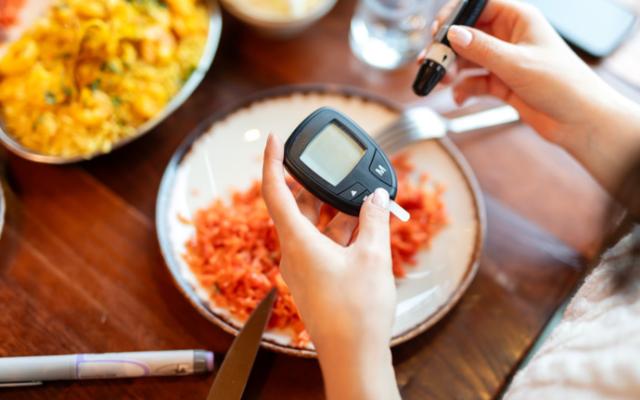
Devices such as a blood glucose meter can help measure blood sugar levels without needing to visit a doctor. They also make it possible to see how eating habits, exercise, and other factors affect glucose from day to day.
Current blood glucose meters are very useful, as they also include advanced features for keeping a daily record of blood sugar levels.
Recommended frequency for checking blood sugar
Mayo Clinic notes that how often blood sugar should be checked varies depending on the type of diabetes and the treatment plan. People with type 1 diabetes, for example, may need to check their glucose levels between 4 and 10 times a day, while people with type 2 diabetes may only need to do so 1 or 2 times.
Health Insurance with Worldwide Coverage
If you are a Bupa Insured, we offer you Nutritional Counseling through our Blua services, that allow you to talk with nutrition experts via video consultation wherever you are, along with regular sessions to help you on a day-to-day basis. After an initial assessment with our nutrition advisor, you will receive a personalized plan to help you improve your eating habits.
Is part of your policy benefits, without coinsurance or deductible.
Frequently asked questions about blood sugar management
We have already explained in detail how to lower blood sugar when it is high. Below are answers to some frequently asked questions on the topic, to help resolve any remaining doubts.
What should be done if blood sugar is 300 or 400 mg/dL?
These blood sugar levels are very dangerous, so it is essential to seek medical care immediately. Only a healthcare professional can determine the steps needed to lower blood sugar and keep the person safe.
Is it possible to lower blood sugar without insulin?
Yes, it is possible in some very specific cases, mainly in type 2 diabetes when blood sugar levels are not very high. People with type 1 diabetes always need insulin. In any case, to avoid complications, it is best to consult a healthcare professional and follow their recommendations.
How can blood sugar be prevented from rising again?
To prevent blood sugar from rising again, it is necessary to adopt healthy habits, aiming to get enough physical activity during the week and follow a balanced diet.
What can be taken on an empty stomach to lower blood sugar?
Verywell Health notes that taking between two and six teaspoons of apple cider vinegar on an empty stomach may help lower blood sugar levels. However, it can cause stomach upset and a sore throat, and it should be diluted in water, since undiluted vinegar can damage tooth enamel. For this reason, it is best to consult a healthcare professional and follow their recommendations.
Sources:
- https://my.clevelandclinic.org/health/body/22601-insulin
- https://www.singlecare.com/blog/lower-blood-sugar-fast/
- https://www.goodrx.com/conditions/diabetes/best-exercise-for-diabetes-blood-sugar-management-weight-loss
- https://diabetes.org/food-nutrition/diabetes-vitamins-supplements
- https://www.healthline.com/nutrition/low-carb-diet-for-diabetes
- https://www.verywellhealth.com/how-to-lower-morning-blood-sugar-without-medication-5115958
- https://www.mayoclinic.org/diseases-conditions/diabetes/in-depth/blood-sugar/art-20046628
- https://www.healthdirect.gov.au/diabetes-testing-and-monitoring
- https://www.yalemedicine.org/conditions/hyperglycemia-symptoms-causes-treatments
- https://www.verywellhealth.com/lower-blood-sugar-immediately-5118359
- https://www.health.com/drinks-that-lower-blood-sugar-8667904
- https://www.healthline.com/nutrition/14-ways-to-lower-blood-sugar
- https://www.cdc.gov/diabetes/treatment/index.html