
11 symptoms of vitamin D deficiency


Reading time: 8 minutes
The symptoms of vitamin D deficiency are very varied and are not always easy to recognize, because they are associated with other diseases or medical conditions. They include fatigue, muscle weakness, depression, and hair loss, among others.
If any of these symptoms are present, vitamin D levels may be low. However, many people with low vitamin D have no symptoms at all, and these symptoms have many possible causes, so a blood test is the only way to confirm a deficiency. To help identify whether this may be the case, this article describes the main symptoms of vitamin D deficiency and how they usually appear in the body.
INDEX
Muscle pain
One symptom commonly associated with vitamin D deficiency is muscle pain. Vitamin D plays an important role in muscle function, as it helps regulate the absorption of calcium, a mineral essential for muscle contraction.
Yale Medicine highlights this, noting that vitamin D deficiency can also affect bone health and increase the risk of falls in older adults. In some cases, muscle pain may be accompanied by spasms and cramps, which can interfere with quality of life.
Fatigue
An article from the National Library of Medicine also discusses the symptoms of vitamin D deficiency. It mentions fatigue as one of the symptoms commonly associated with a lack of this vitamin, along with body weakness and headache, among others.
Vitamin D is thought to play a role in energy production at the cellular level, which may explain why people can experience fatigue when their vitamin D levels are lower than recommended.
People with vitamin D deficiency may find it harder to carry out everyday activities without feeling exhausted, and in many cases it takes them longer to recover after moderate physical or mental effort.
Fatigue can also be caused by chronic fatigue syndrome and many other conditions. We recommend consulting a healthcare professional for a more detailed diagnosis before making any decision about your situation.
Bone pain
Merck Manual notes that, in addition to muscle pain, discussed above, some people may experience bone pain due to vitamin D deficiency. This is because the vitamin is essential for the absorption of calcium and phosphate, and a deficiency can lead to conditions such as rickets in children and osteomalacia in adults, particularly older adults.
In addition, vitamin D deficiency can contribute to osteoporosis, another condition that weakens the bones and can cause pain, particularly after fractures.
These conditions can cause widespread bone pain, especially in areas such as the back, hips, legs, and ribs. To help prevent them, it is important to eat a healthy diet and get enough vitamin D.

Seguros de salud con cobertura mundial
Si eres nuestro asegurado, con Mi Bupa Latinoamérica App puedes llevar un seguimiento digital personalizado de tu salud supervisado por nuestros médicos. Podrás monitorear tu salud según tus necesidades: desde tu actividad física, control de peso, presión arterial y frecuencia cardiaca o tu estado respiratorio. De esta manera, tendrás un mayor control de tu salud con acompañamiento profesional.
Es parte de los beneficios de tu póliza, sin coaseguro ni deducible.
Depression
In some cases, vitamin D deficiency may also be associated with mood changes and depression. Although depression is an illness with many different causes, low vitamin D may be a contributing factor.
WebMD notes that vitamin D deficiency has been linked not only to depression but also to other mental health conditions, such as schizophrenia and seasonal affective disorder.
If there are significant mood changes or symptoms associated with depression, it is advisable to see a specialist to evaluate the possible causes and determine the most appropriate treatment.
Difficulty sleeping
Vitamin D may also play a role in regulating circadian rhythms and sleep cycles. This is because it appears to be involved in the production of melatonin, a hormone that is essential for regulating sleep.
An article published by the National Library of Medicine explains this and highlights that difficulty sleeping can also occur because of other symptoms of vitamin D deficiency, such as muscle and bone pain.
Hair loss
Another symptom of vitamin D deficiency is hair loss, a problem that occurs because of imbalances in hair growth cycles. Various studies have found an association between vitamin D deficiency and several types of alopecia.
In addition, vitamin D deficiency may also be associated with scalp conditions, such as seborrheic dermatitis or psoriasis, which can contribute to hair loss.
Skin problems
As noted in the previous section, vitamin D deficiency may contribute to various skin conditions, such as seborrheic dermatitis or psoriasis. This vitamin influences processes such as the synthesis, metabolism, and activity of the skin.
It also helps regulate various physiological processes, which, according to an article titled Vitamin D and the Pathophysiology of Inflammatory Skin Diseases, range from cell proliferation, differentiation, and apoptosis to barrier maintenance and immune functions.
For this reason, when vitamin D levels are low, a variety of skin problems such as those mentioned may be more likely to occur.

Loss of appetite
Loss of appetite can be associated with vitamin D deficiency, in both children and adults. Vitamin D may play a role in regulating metabolism and nervous system function, which includes regulating appetite and satiety.
Verywell Health discusses this, noting that it does not necessarily have a direct effect on body weight. Other symptoms of vitamin D deficiency can also affect appetite, especially depression and fatigue.
Memory problems
A study published by the National Library of Medicine, which used data from 1,291 participants in the US Cardiovascular Health Study and 915 participants in the Longitudinal Aging Study Amsterdam (LASA) in the Netherlands, found an association between low vitamin D levels and decline in visual memory.
Vitamin D appears to play an important role in brain health and cognitive function, and a deficiency may affect various aspects of memory and cognition. In some cases it can show up as difficulty remembering information, concentrating, and performing activities that require good memory function.
High blood pressure
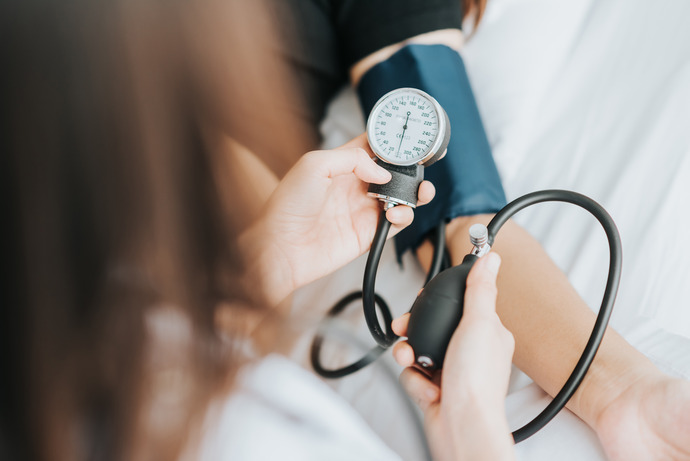
Mayo Clinic notes that, although the relationship between vitamin D deficiency and high blood pressure is not clear, vitamin D may change the way certain chemicals in the body control blood pressure. In addition, in people with low vitamin D, the arteries can become stiffer, which makes it harder for blood to flow.
The article notes that low vitamin D levels seem to be associated with a higher risk of heart disease and of dying from it. Low vitamin D may also make a person more likely to develop high blood pressure and diabetes, which further increases the risk of heart disease.
Research on vitamin D and heart health has been mixed, and it is not clear whether vitamin D supplements protect against heart attacks and strokes. Even so, correcting a deficiency may be worthwhile. This can be done in different ways: through controlled sun exposure, including foods rich in vitamin D in the diet, and, in some cases, taking vitamin D supplements. None of this replaces blood pressure treatment prescribed by a doctor.
In any case, a healthcare professional should always determine the best way to obtain vitamin D and make up for a deficiency.
Dizziness or vertigo
Lastly, dizziness or vertigo can also be associated with vitamin D deficiency. Although the connection is not always clear, other symptoms such as muscle weakness and poor bone health may contribute to dizziness and vertigo.
An article in the journal Neurology reports that vitamin D and calcium supplementation may reduce the recurrence of benign paroxysmal positional vertigo in people with low vitamin D levels. It is also believed that vitamin D plays a role in regulating calcium in the inner ear, which is important for maintaining balance.
How to improve vitamin D levels naturally
There are many ways to improve vitamin D levels naturally: making some lifestyle changes, getting safe sun exposure, and eating a balanced diet.
The most important step is to include some foods rich in vitamin D in the diet. Some options are fatty fish such as salmon and tuna, liver, and fortified dairy products.
In addition, brief, regular sun exposure, typically around 10 to 30 minutes a day depending on skin type, location, and time of year, can help the body produce vitamin D. Because of the risk of skin damage and skin cancer, prolonged unprotected sun exposure should be avoided, and a doctor can advise on what is safe.
In some cases, vitamin D supplements may be taken under medical supervision. A doctor should be consulted before starting any supplementation, so that the appropriate dose can be determined and vitamin D toxicity avoided.
Sources:
- https://www.ncbi.nlm.nih.gov/pmc/articles/PMC5207540/
- https://www.yalemedicine.org/conditions/vitamin-d-deficiency
- https://www.oafifoundation.com/salud-osea-y-vitamina-d-en-osteoporosis/
- https://www.msdmanuals.com/home/disorders-of-nutrition/vitamins/vitamin-d-deficiency
- https://www.healthline.com/nutrition/depression-and-vitamin-d
- https://www.webmd.com/vitamins-and-supplements/what-to-know-about-vitamin-d-and-mental-health
- https://pubmed.ncbi.nlm.nih.gov/32156230/
- https://pubmed.ncbi.nlm.nih.gov/34553483/
- https://pubmed.ncbi.nlm.nih.gov/29306952/
- https://www.verywellhealth.com/symptoms-of-vitamin-d-deficiency-7963631
- https://www.ncbi.nlm.nih.gov/pmc/articles/PMC5525144/
- https://pubmed.ncbi.nlm.nih.gov/32759193/
- https://www.mayoclinic.org/diseases-conditions/high-blood-pressure/expert-answers/vitamin-d-deficiency/faq-20058280